

180 Water
AuthenticatedBusiness and InvestmentAddress MT, United States
Get Direction
180 Water
AuthenticatedBusiness and InvestmentAddress MT, United States
Get Direction
Overview
Reviews
Faq’s
About


180 Water
AuthenticatedBusiness and InvestmentAddress MT, United States
Get Direction
Hire Well Pump Installer Montana
180 Water is your trusted Well Pump Installer Montana, offering professional installation, maintenance, and replacement services. We help ensure your well pump system delivers dependable water for your home, business, or agricultural property.
Business Category:
Well drilling contractor
Secondary Category:
- Drilling contractor
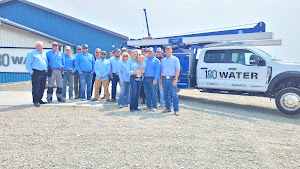
Photos from the Web




Questions and Answers
Q: When is it necessary to schedule a well check-up?
We recommend every two years for a well check up!
-
- 11 months ago
Q: What maintenance is recommended for long-term water supply health?
Great question Dominic! For long term water supply health, we recommend a well inspection every two years.
-
- 11 months ago
Q: How do I know if my well water pump needs servicing?
Signs that your water pump may need servicing include irregular water pressure, unusual noises, or decreased water flow. If you notice any of these issues, it's advisable to schedule a professional inspection.
-
- 1 year ago
Q: Who do we contact for help with pump issues in our well system?
It depends where you are located! Here is a direct link to our service areas where you can find contact information https://180water.com/service-areas . Just give them a call and they will get you set up with an appointment!
-
- 11 months ago
Q: What services are included in well pump service?
We offer flow testing, and diagnostics on your system! If you are having any issues with your system we can come out and figure out the problem and get it fixed for you!
-
- 1 year ago
Q: How often should I schedule well water pump maintenance?
Regular maintenance check-ups are essential to extend the life of your water pump, enhance energy efficiency, and ensure a reliable water supply. Scheduling maintenance at least once a year is recommended.
-
- 1 year ago
Q: How often should I have my water well inspected?
Regular well inspections are essential for identifying potential issues early, such as contamination risks or pump malfunctions. It's recommended to have inspections conducted annually or as needed.
-
- 1 year ago
Q: What is involved in pressure tank installation and maintenance?
For pressure tank installation, start by positioning the tank on a level surface near the well pump to ensure consistent water pressure. Next, securely connect the pipes, install a check valve to prevent backflow, and complete the electrical connections. Set the pressure switch to balance water flow with energy efficiency, and then test the system to ensure there are no leaks, the pressure is correct, and the pump cycles properly. For maintenance, regularly check the tank’s air pressure to prevent pump issues and inspect for any signs of leaks or corrosion. Test the pressure switch periodically and replace it if needed. Flush the tank to remove sediment buildup, and check the air bladder for wear, replacing it as necessary to avoid waterlogging. These routine checks help extend the system's life and ensure consistent water pressure.
-
- 1 year ago
Q: Can I use Solar Water Pumps for residential purposes?
Yes, Solar Water Pumps are versatile and can be used for various residential applications, including irrigation, domestic water supply, and livestock watering, particularly in off-grid areas.
-
- 1 year ago
Q: What should be considered before a new well is drilled?
Before drilling a new well, we take several key factors into consideration: 1. Accessibility of current well 2. Future water use – Planning ahead for where you’d like hydrants or water access points installed. 3. Proximity to existing wells 4. Ground material – Understanding whether we’ll be drilling through gravel, clay, or hard rock. 5. Power availability – Knowing what kind of power supply or restrictions we may be working with. 6. Local well data – Reviewing well logs from previous drillers to better understand average depths and conditions in your area. Have questions or ready to start your project? Give us a call—we’re happy to help!
-
- 1 year ago
Review summary
-
5
-
4
-
3
-
2
-
1
5 2 Reviews
-
Tonya Fink
180Water was amazing! Clay answered right away and came out to my house within 24 hours. We had an issue with our cistern float, and even with our complex RO system and well setup, he was able to diagnose and repair it quickly. Not only was he fast, but also efficient and professional. Highly recommend 180Water!
-
Matt Schlick
Great service, very professional, very knowledgeable. Thanks again


Review summary
-
5
-
4
-
3
-
2
-
1
5 2 Reviews
-
Tonya Fink
180Water was amazing! Clay answered right away and came out to my house within 24 hours. We had an issue with our cistern float, and even with our complex RO system and well setup, he was able to diagnose and repair it quickly. Not only was he fast, but also efficient and professional. Highly recommend 180Water!
-
Matt Schlick
Great service, very professional, very knowledgeable. Thanks again
Questions and Answers
Q: When is it necessary to schedule a well check-up?
We recommend every two years for a well check up!
-
- 11 months ago
Q: What maintenance is recommended for long-term water supply health?
Great question Dominic! For long term water supply health, we recommend a well inspection every two years.
-
- 11 months ago
Q: How do I know if my well water pump needs servicing?
Signs that your water pump may need servicing include irregular water pressure, unusual noises, or decreased water flow. If you notice any of these issues, it's advisable to schedule a professional inspection.
-
- 1 year ago
Q: Who do we contact for help with pump issues in our well system?
It depends where you are located! Here is a direct link to our service areas where you can find contact information https://180water.com/service-areas . Just give them a call and they will get you set up with an appointment!
-
- 11 months ago
Q: What services are included in well pump service?
We offer flow testing, and diagnostics on your system! If you are having any issues with your system we can come out and figure out the problem and get it fixed for you!
-
- 1 year ago
Q: How often should I schedule well water pump maintenance?
Regular maintenance check-ups are essential to extend the life of your water pump, enhance energy efficiency, and ensure a reliable water supply. Scheduling maintenance at least once a year is recommended.
-
- 1 year ago
Q: How often should I have my water well inspected?
Regular well inspections are essential for identifying potential issues early, such as contamination risks or pump malfunctions. It's recommended to have inspections conducted annually or as needed.
-
- 1 year ago
Q: What is involved in pressure tank installation and maintenance?
For pressure tank installation, start by positioning the tank on a level surface near the well pump to ensure consistent water pressure. Next, securely connect the pipes, install a check valve to prevent backflow, and complete the electrical connections. Set the pressure switch to balance water flow with energy efficiency, and then test the system to ensure there are no leaks, the pressure is correct, and the pump cycles properly. For maintenance, regularly check the tank’s air pressure to prevent pump issues and inspect for any signs of leaks or corrosion. Test the pressure switch periodically and replace it if needed. Flush the tank to remove sediment buildup, and check the air bladder for wear, replacing it as necessary to avoid waterlogging. These routine checks help extend the system's life and ensure consistent water pressure.
-
- 1 year ago
Q: Can I use Solar Water Pumps for residential purposes?
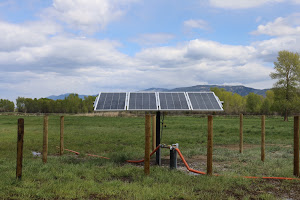
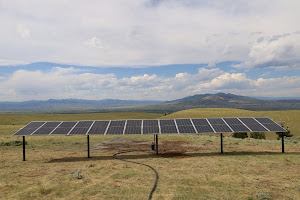
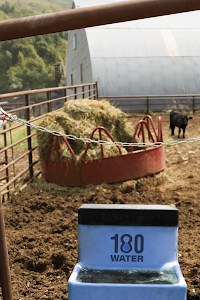
Yes, Solar Water Pumps are versatile and can be used for various residential applications, including irrigation, domestic water supply, and livestock watering, particularly in off-grid areas.
-
- 1 year ago
Q: What should be considered before a new well is drilled?
Before drilling a new well, we take several key factors into consideration: 1. Accessibility of current well 2. Future water use – Planning ahead for where you’d like hydrants or water access points installed. 3. Proximity to existing wells 4. Ground material – Understanding whether we’ll be drilling through gravel, clay, or hard rock. 5. Power availability – Knowing what kind of power supply or restrictions we may be working with. 6. Local well data – Reviewing well logs from previous drillers to better understand average depths and conditions in your area. Have questions or ready to start your project? Give us a call—we’re happy to help!
-
- 1 year ago